Blog
Building with a software factory
Your team of agents, from feature request to verified change.
Build and coordinate agents
- Agentic SDLC explained
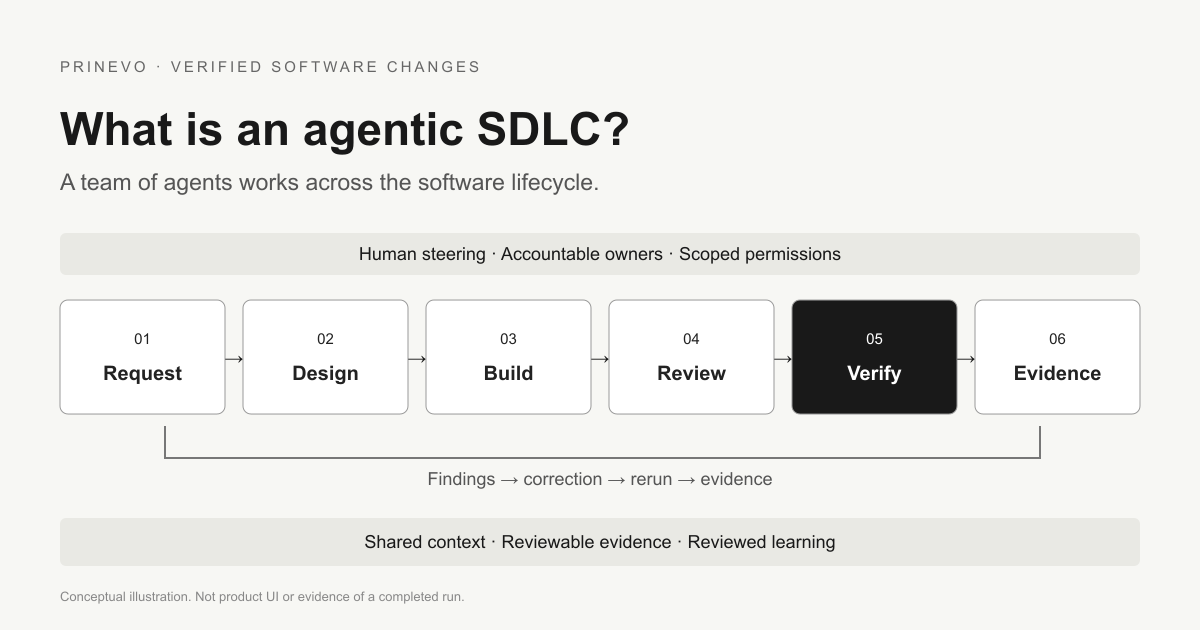
What Is an Agentic SDLC?
Working with a team of agents across the software development lifecycle.
- Adopting an agent team
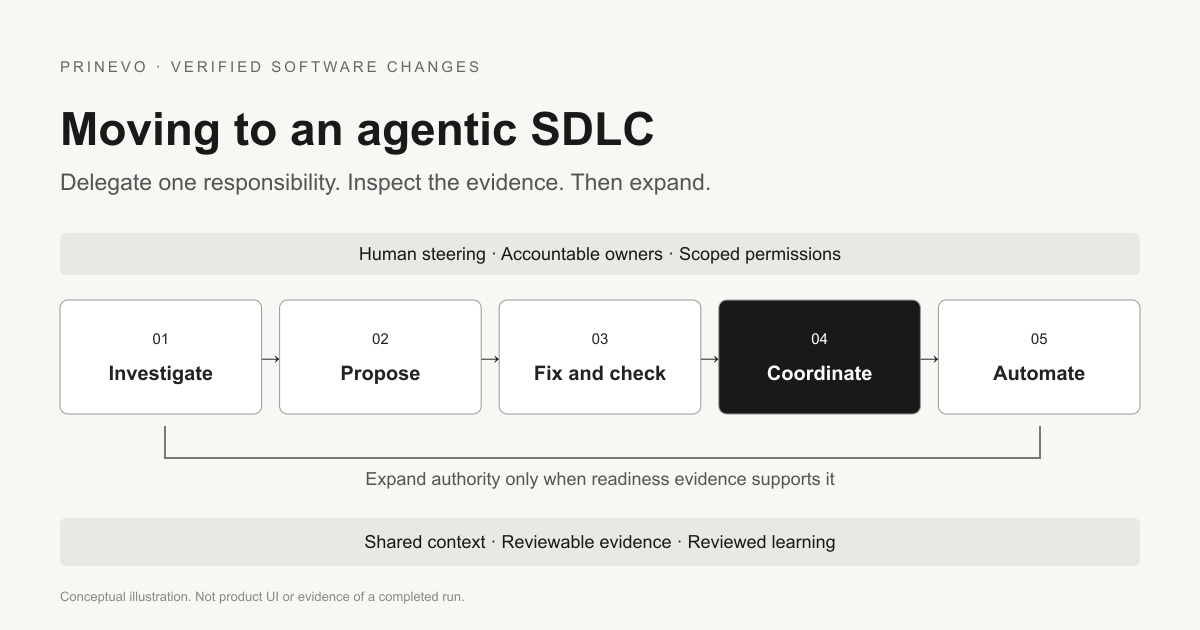
How Engineering Teams Move to an Agentic SDLC
Start with one bounded workflow and expand authority when the evidence supports it.
- Compare delivery workflows
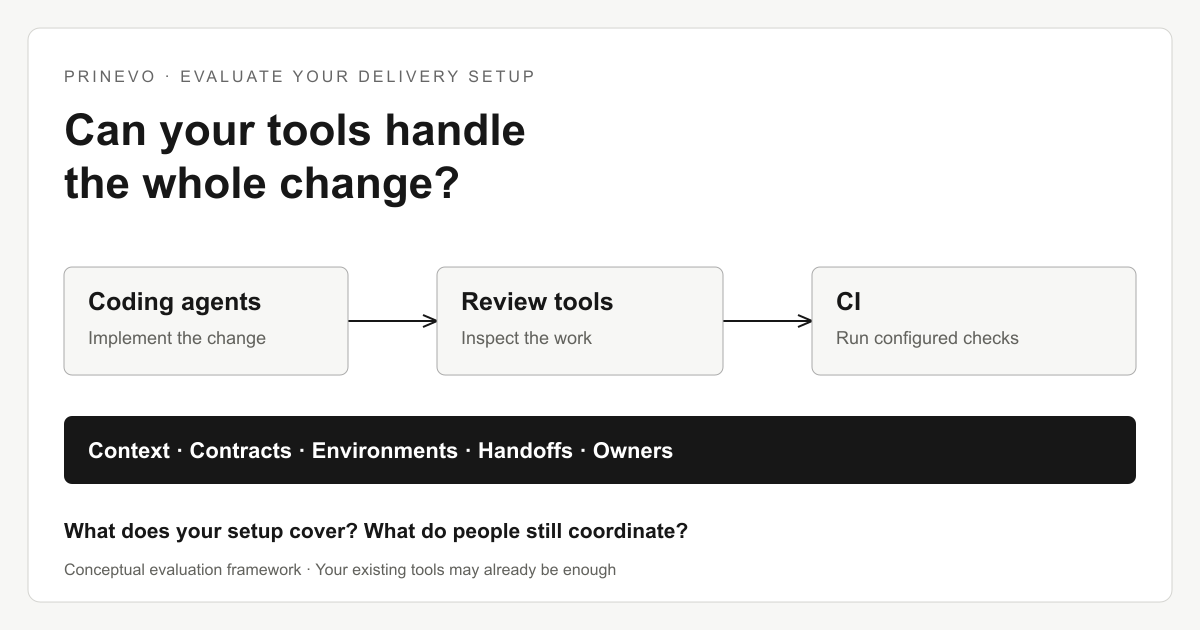
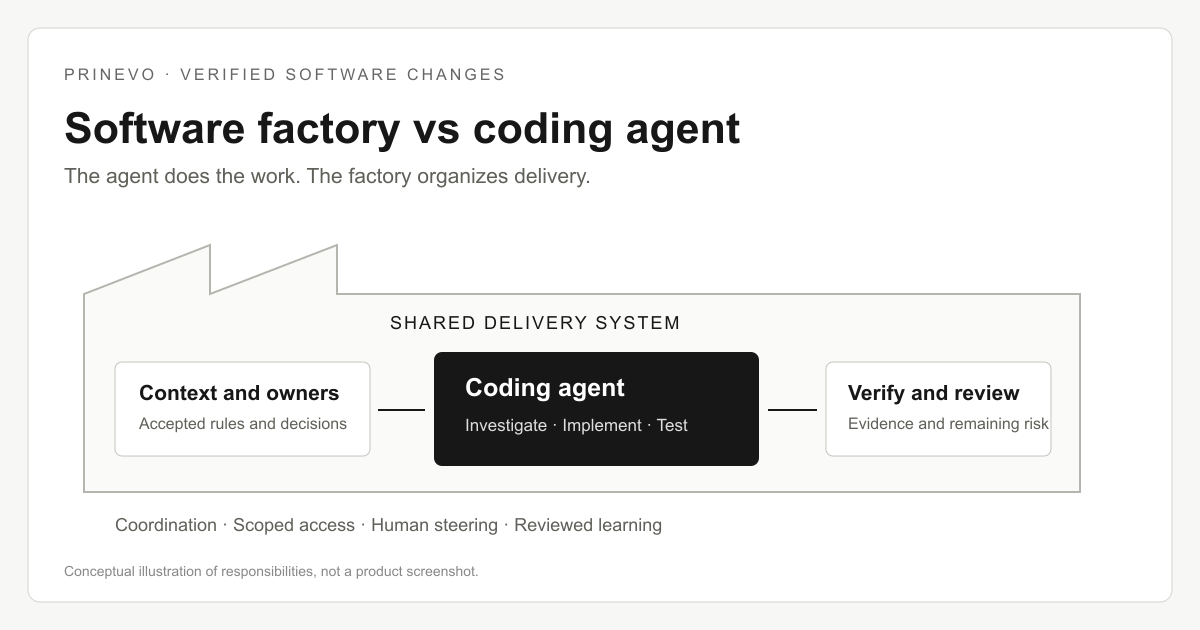
Software Factory vs Coding Agent
Compare agent capabilities with shared delivery responsibilities, and see when your team's existing setup is enough.
- Working with agents
How Engineering Teams Work With a Team of Coding Agents
See how people and agents share decisions, handle changing requirements, resolve review findings, and hand over work.
-
Software factories
5 Pillars of a Software Factory
Coding agents make code generation faster, but delivery still depends on context, coordination, verification, rollout planning, and learning loops.
-
Agentic systems
Pillars of an Autonomous Agentic System
Autonomous agentic platforms need shared context, governance, and a self-learning loop before agents can safely take on more work.
Implementation and technical insights
- Code maintainability
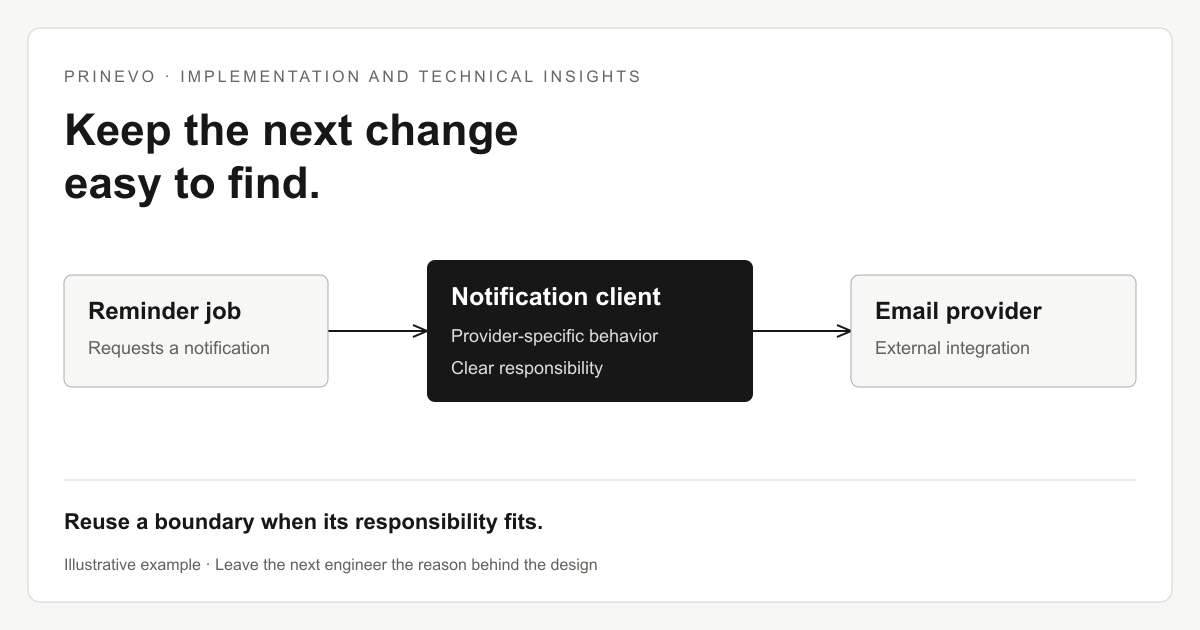
How to Keep Agent-Written Code Maintainable
Review how agent-written code fits the existing design, avoids duplicate behavior and leaves the next engineer a clear place to make a change.
- Change impact analysis
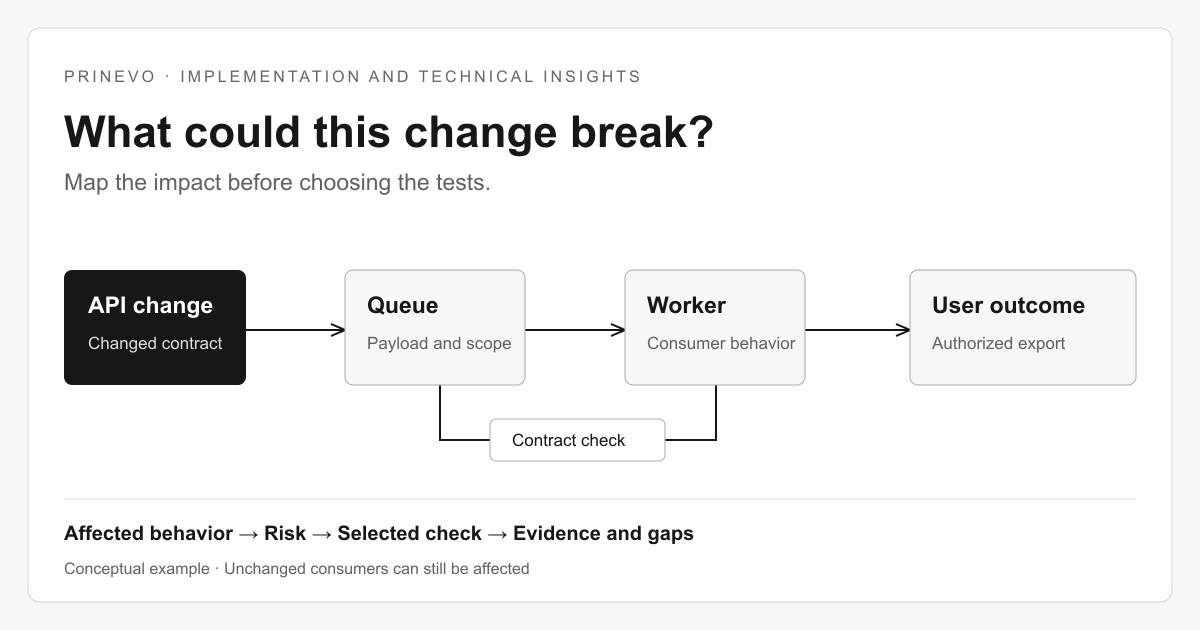
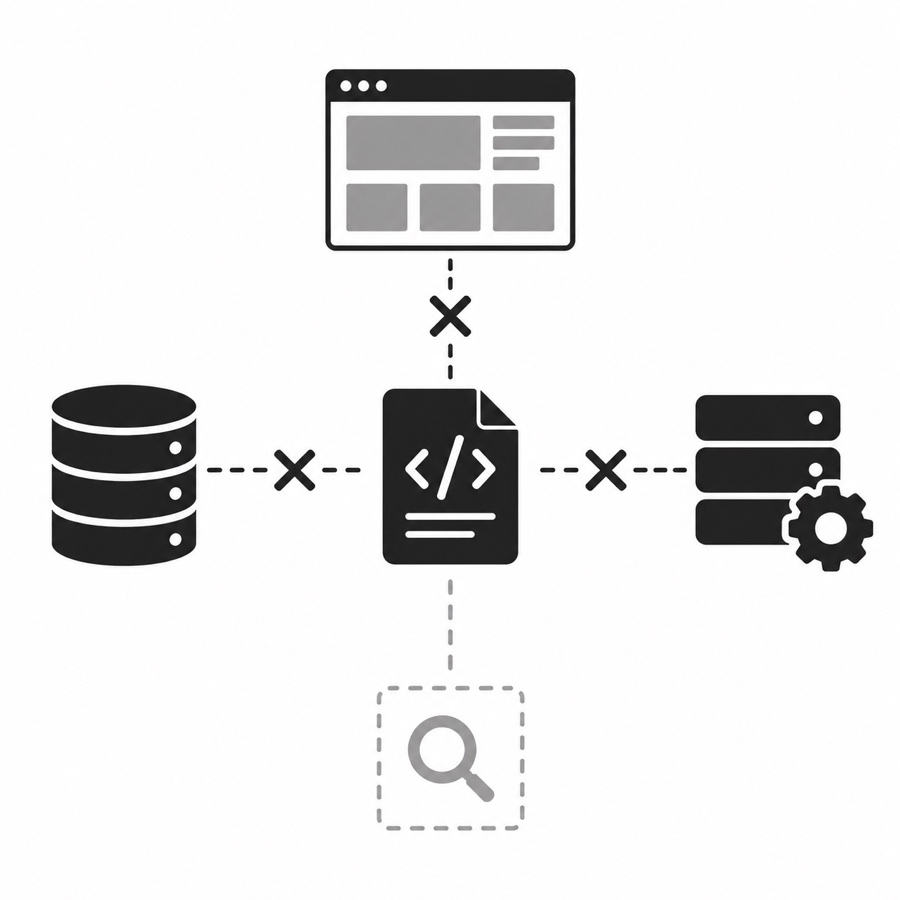
How Coding Agents Should Decide What Could Break and What to Test
Map affected behavior, downstream consumers and business rules, then choose checks and explain what remains unverified.
-
Software factory guide
How to Build an Agentic Software Factory
Build the delivery setup around coding agents, then check which foundations your team already has and what is missing.
- Multi-agent coordination
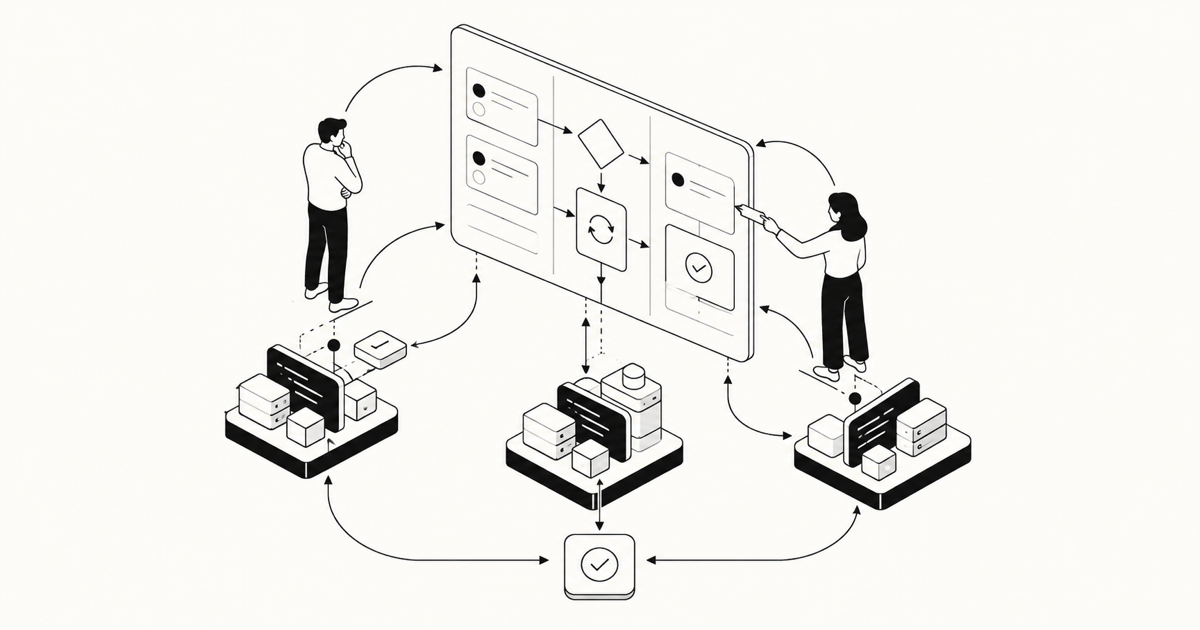
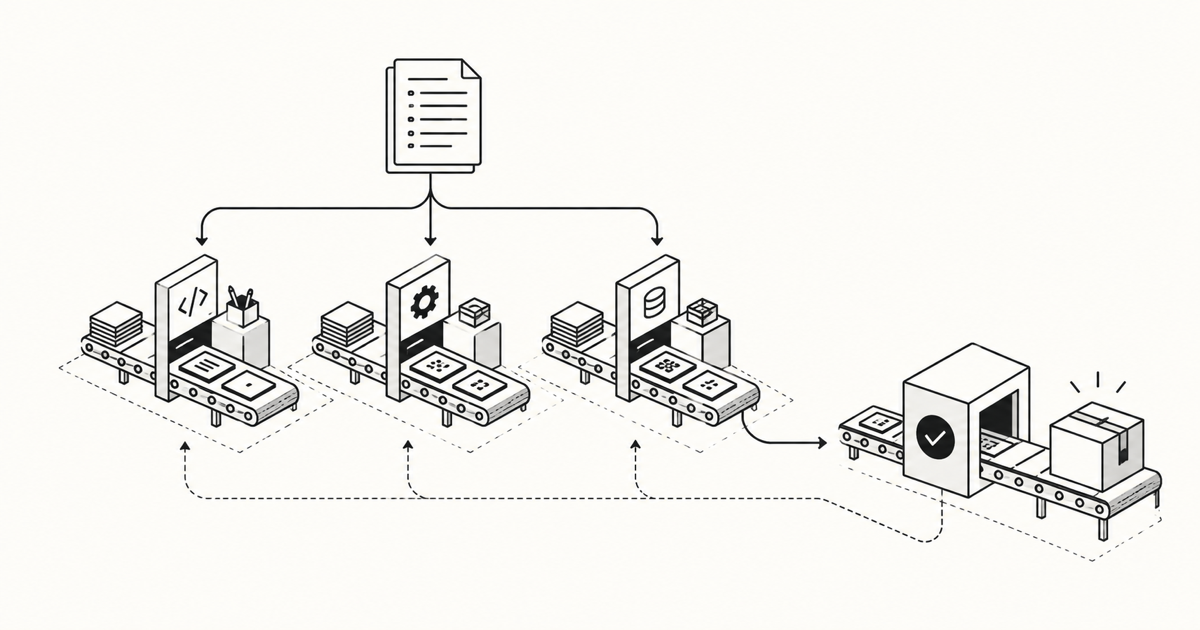
How to Run Multiple Coding Agents Without Conflicting Changes
Coordinate parallel work with clear ownership, shared contracts, explicit handoffs, and verification of the combined change.
-
Agent architecture
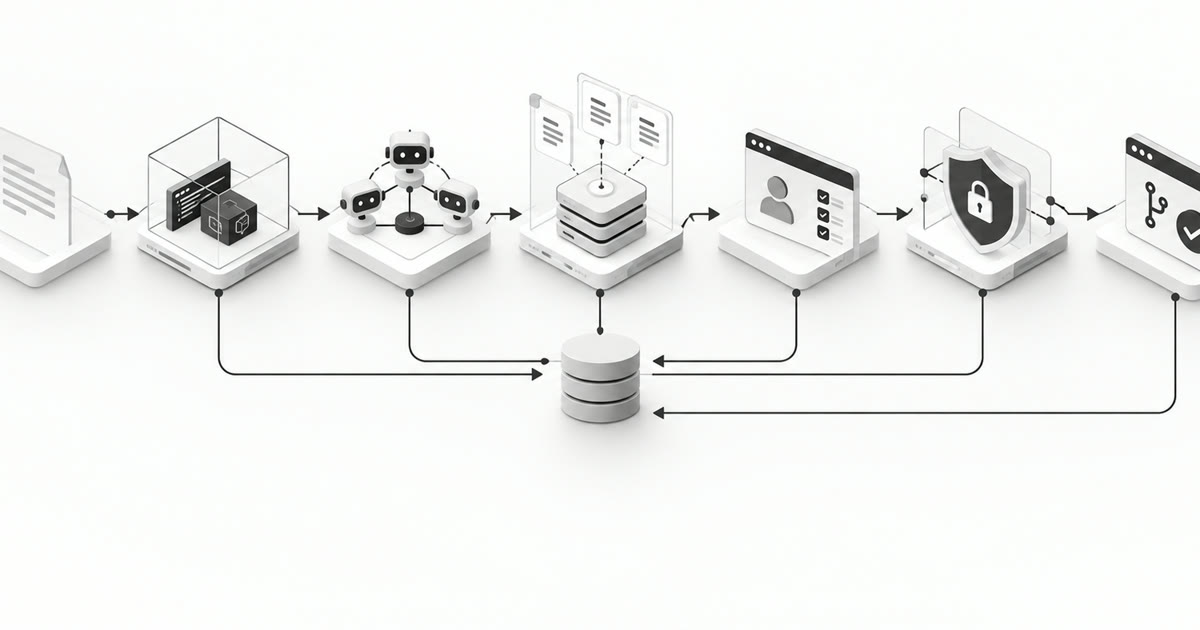
The Coordination Backbone -Architecting Multi-Agent Orchestration
How durable state, an agent catalog, and transition policy make multi-agent work reliable.
Start here
- Engineering throughput
Do Faster Coding Agents Make Your Engineering Team Faster?
Track human effort, review queues, verification, rework, and delivered changes to assess whether faster coding helps the team.
-
Coding agents
Why Individual Coding Agents Struggle to Deliver Complete Changes
Why a local coding win can still leave a cross-system feature unverified, and what coordinated agents need to share.
-
Software delivery
From Feature Request to Production: What Coding Agents Still Miss
Five questions that separate a fast PR from a feature delivered safely in production.
-
Software factory
10x More Code Without Structure Can Create 10x More Chaos.
Coding agents made coding faster. A software factory gives teams structure, gates, owners, context, and verification to move fast safely.
Verify changes and stay in control
- Code review
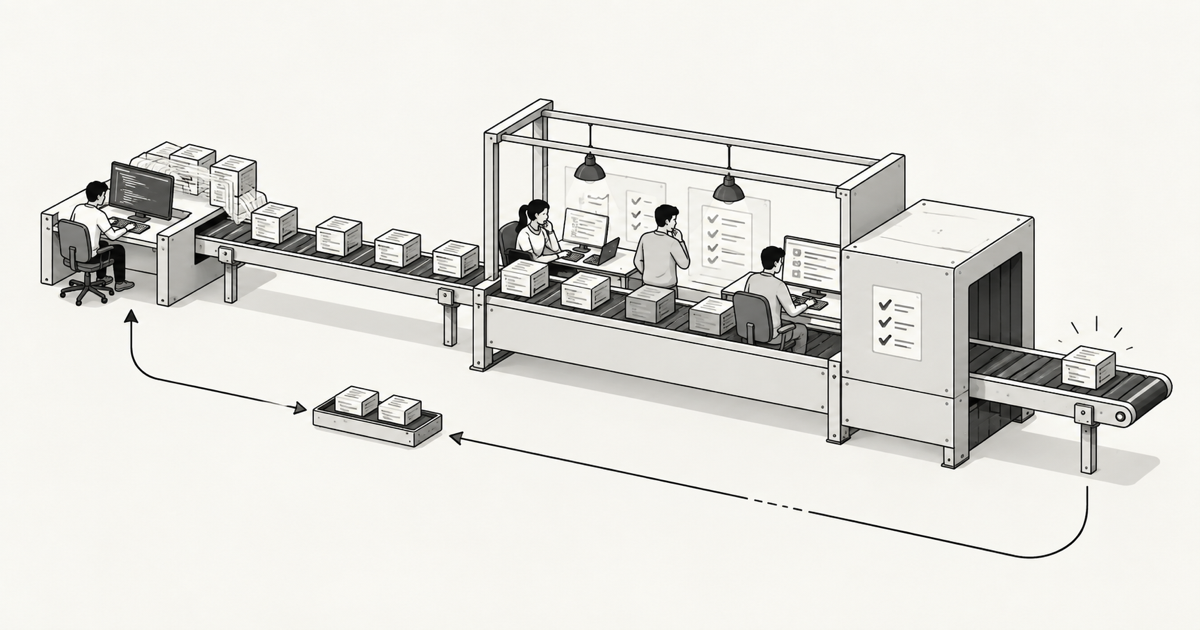
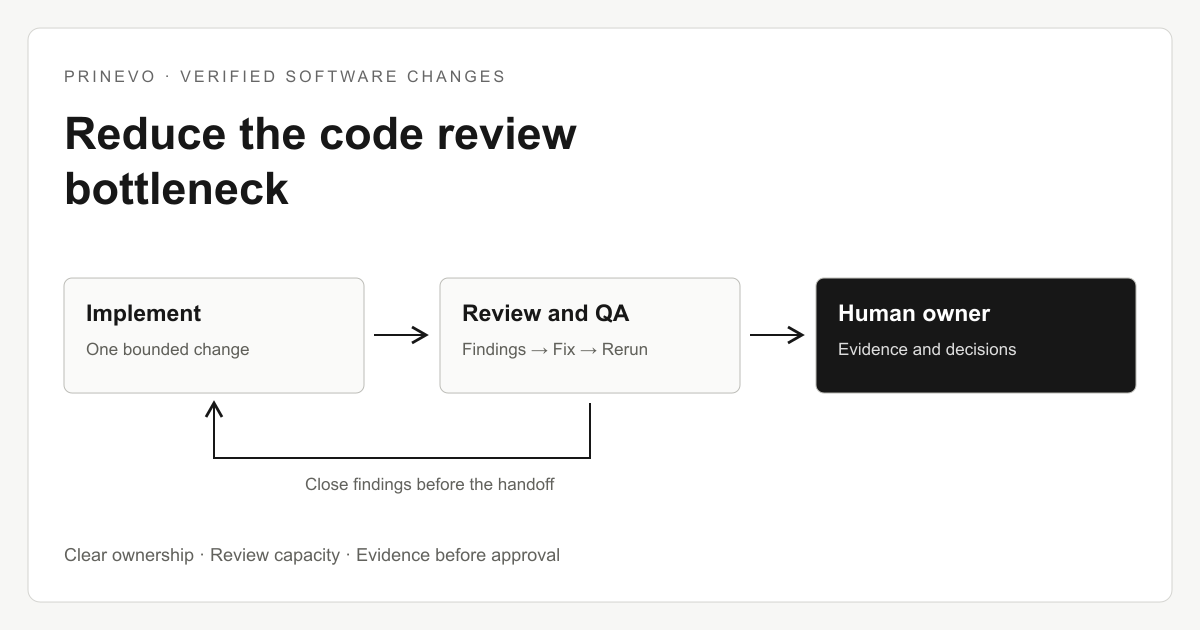
How to Reduce Code Review Bottlenecks When Coding Agents Write the Code
Reduce the review queue with clear ownership, focused changes, agent feedback loops and evidence before human handoff.
- QA agents
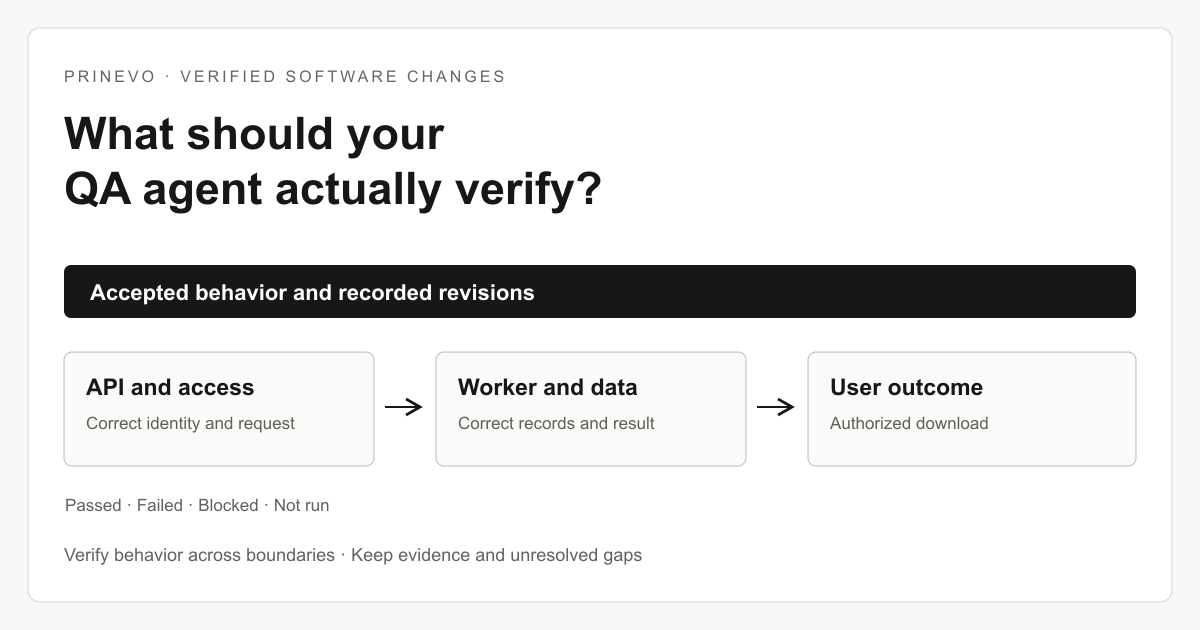
What Should a QA Agent Actually Verify Before a PR Reaches Review?
Define what QA should establish across requirements, permissions, service boundaries, failure cases and corrected revisions.
- Test confidence
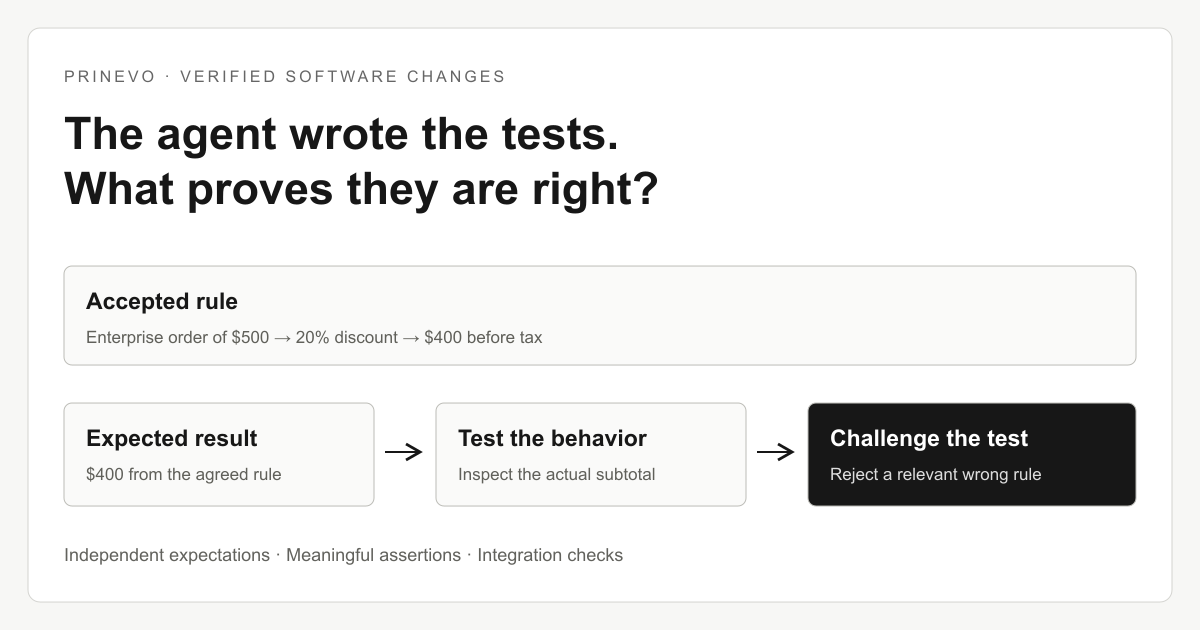
The Agent Wrote the Code and the Tests. How Do You Know They Are Right?
Check agent-written code and tests against independent expectations, meaningful assertions, failure cases and real integration boundaries.
-
Verification guide
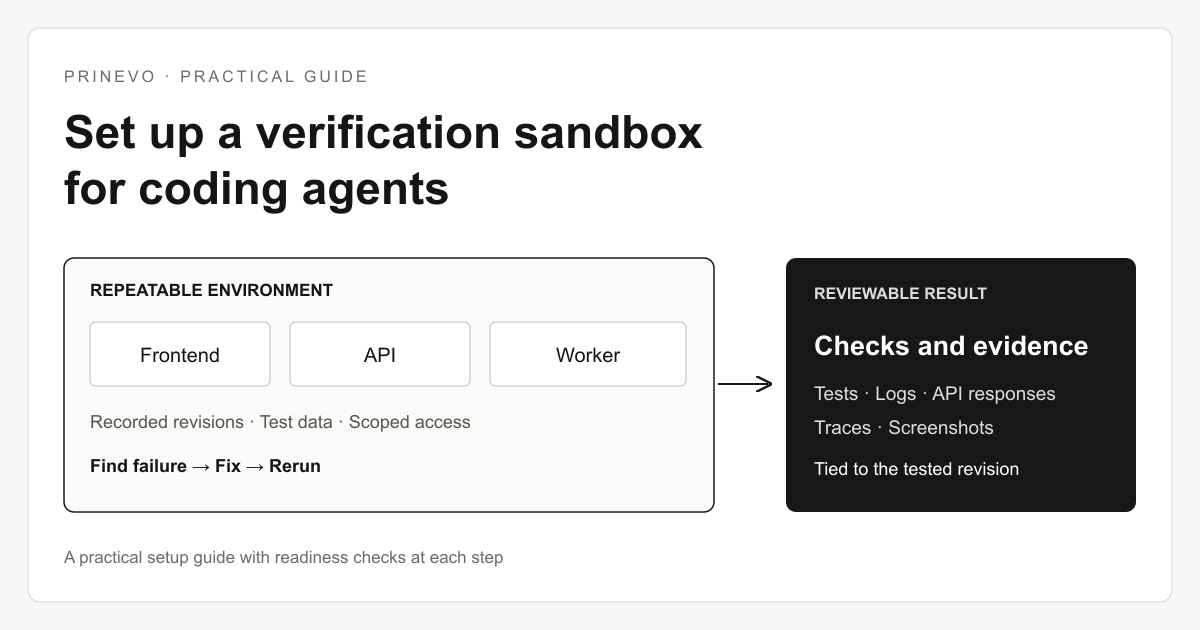
How to Set Up a Verification Sandbox for Coding Agents
Build a repeatable sandbox with test data, scoped access, useful failure feedback, and evidence tied to the tested revision.
-
Agent governance
Reduce AI Slop With Configurable Expert Gates.
Why coding agents need configurable PRD, HLD, LLD, implementation, and verification gates so teams can move fast without downstream cleanup.
Reuse context and learning
- Context freshness
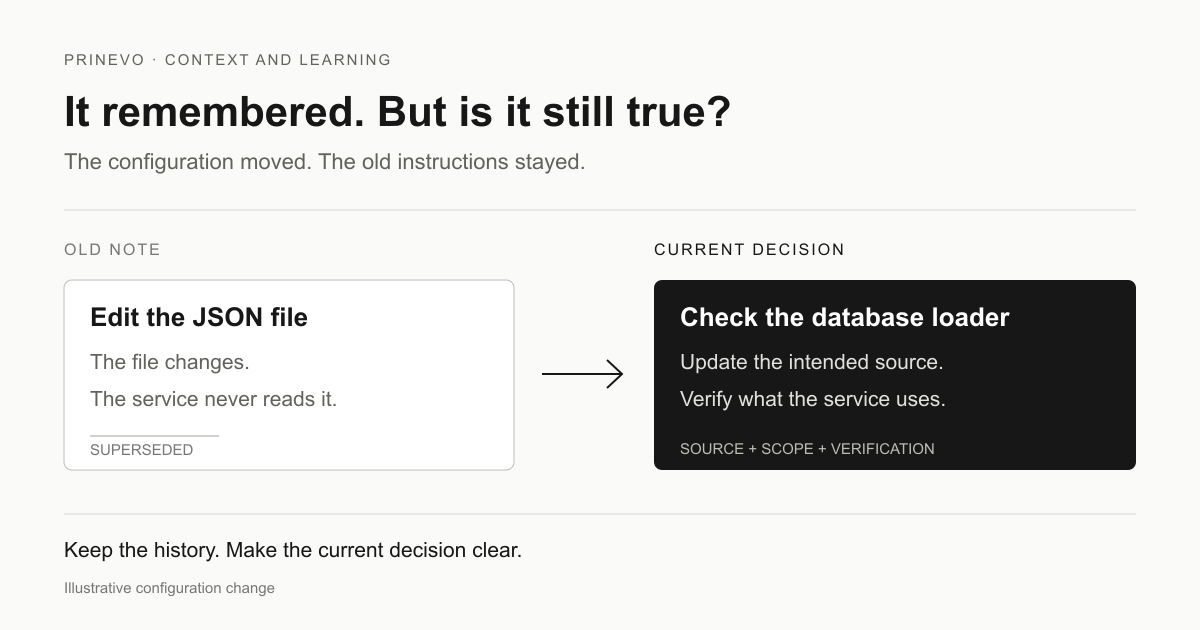
How Do You Stop Coding Agents From Using Outdated Context?
Keep replaced decisions from guiding the next change. Use source links, explicit supersession and checks against the current code.
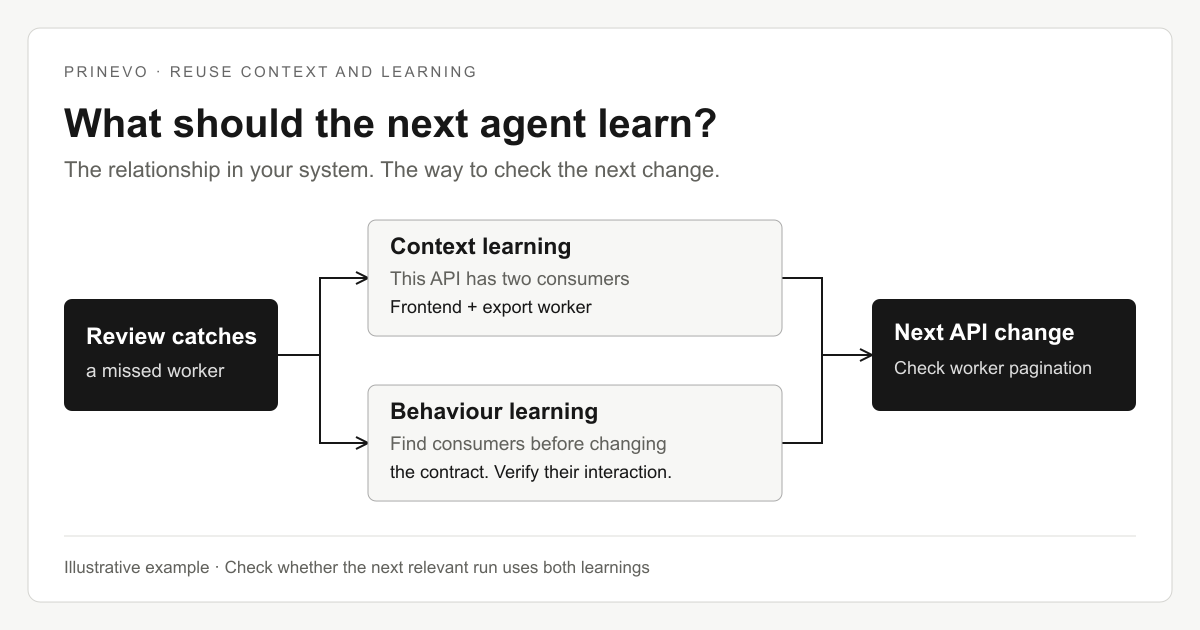
- Context and agent behaviour
Why Does Your Coding Agent Repeat a Mistake You Already Corrected?
See why a correction can be lost between sessions, and how shared context, working behaviour and verification help the next change.
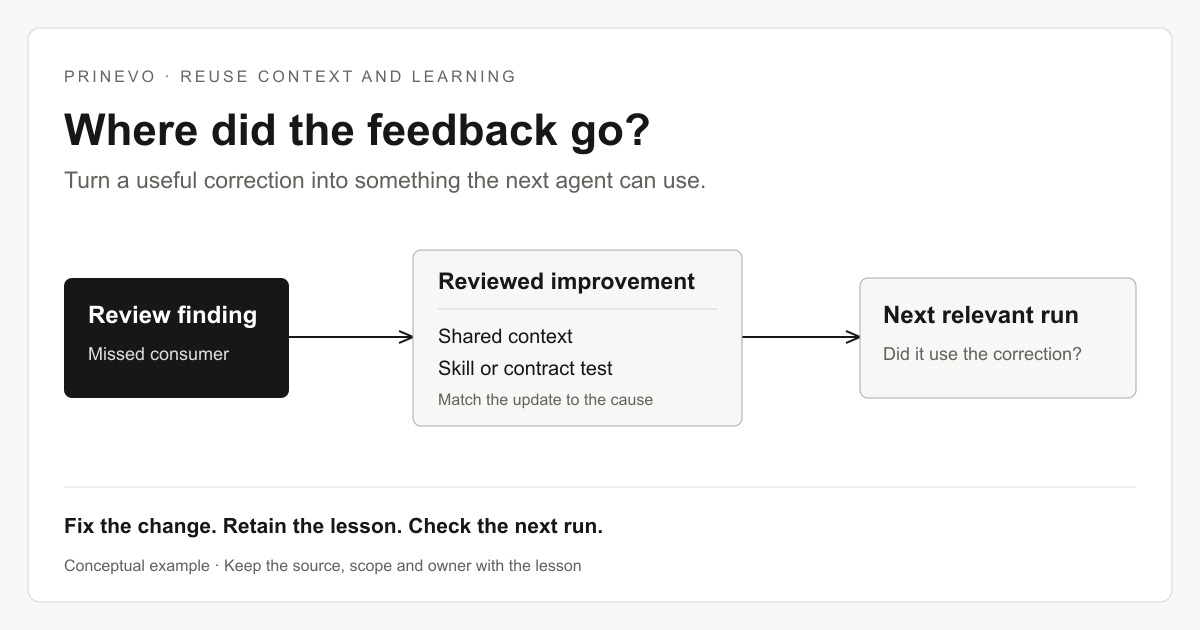
- Learning from feedback
How Coding Agents Learn from Review Feedback
See how a review correction becomes shared context, a test or a skill, and how to check whether the next relevant run uses it.
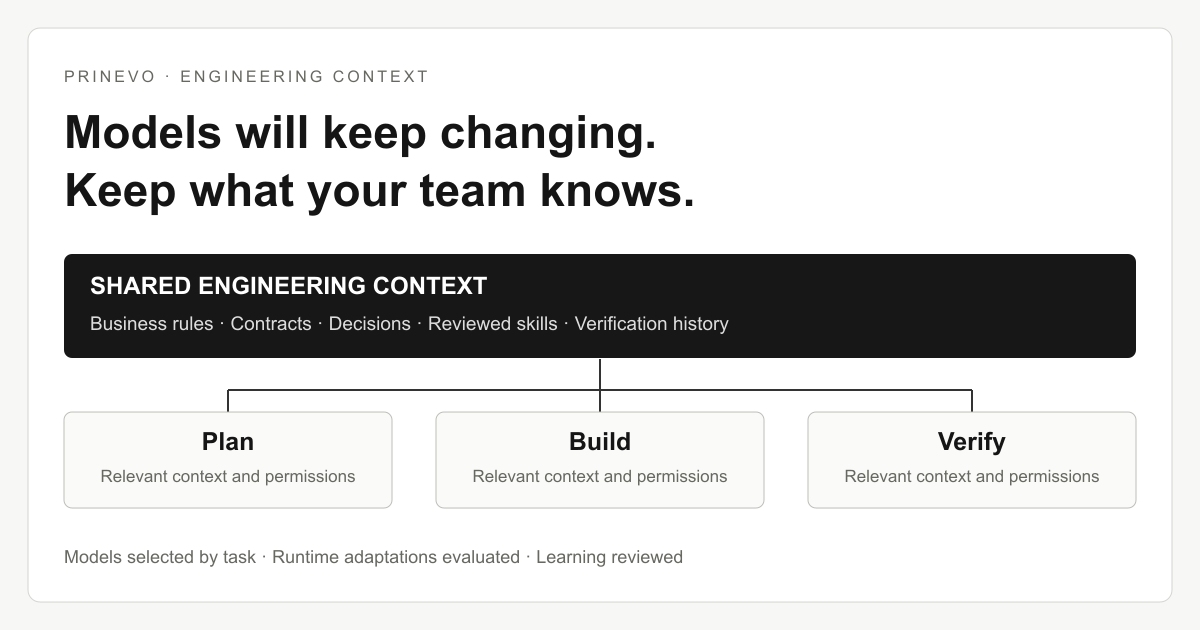
- Engineering context
Models Will Keep Changing. Your Engineering Context Should Stay.
Keep business rules, skills, decisions, and verification history reusable as the models doing the work change.
-
Research
Prinevo Memory: A Context Graph for Long-Term Agent Memory
How typed capture, bi-temporal knowledge, and hybrid retrieval deliver 83.89% on LoCoMo and 82.60% on LongMemEval.
-
Agent context
Retrieval Debt Is the New Technical Debt. Software Factories Help Reduce It.
Why effective context engineering starts with code structure, then uses focused tasks, specialist agents, and verification to ship changes.
-
Compounding systems
Building a Software Factory: From Prompts to Compounding Systems
Why coding agents need two layers around them: reusable context and policy, plus sandbox verification that improves with every run.
Evaluate Prinevo
- Compare QA workflows
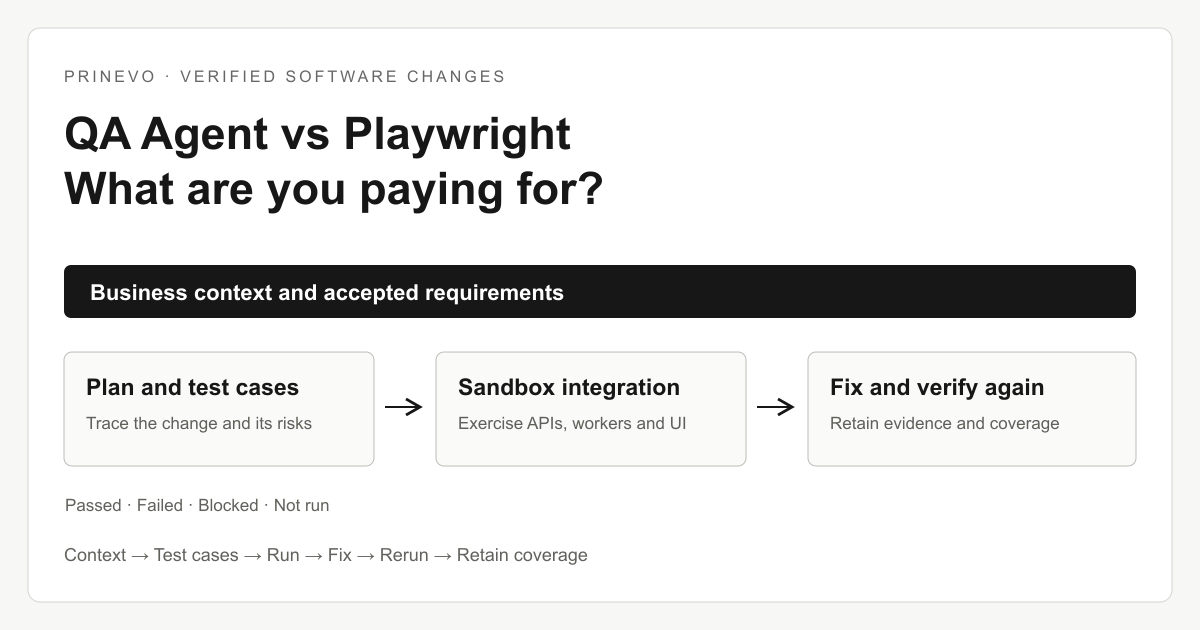
QA Agent vs Playwright. What Are You Actually Paying For?
Compare business context, test-case management, sandbox integration checks and the correction loop around a change.
- Evaluate your setup
Should You Build or Buy a Software Factory?
Decide what to build, buy or connect. Compare ongoing ownership, verification effort and cost per verified change.
-
Prinevo workflow
How Prinevo Takes a Feature Request to Production Delivery
See quick and full lanes, accountable owners, review loops, verification, and the path to a reviewer-ready PR.
-
Agent evaluation
How to Evaluate an AI Agent Team on a Real Engineering Change
A practical scorecard for a real-change pilot: human effort, verification, reviewer rework, lead time, and cost.